Why Your Toilet Keeps Running
Three faults sit behind nearly every running cistern, and each one sends paid-for water down the drain day and night. When your toilet keeps running, a licensed plumber can usually pick the culprit from the sound alone. The dye test below tells you which side of the fault you are on.
If we're late, $100 comes off your bill

- Licensed and InsuredEvery job done by a licensed plumber. QBCC No: 15024607
- Fixed Quote FirstFlat-rate pricing, agreed before any work starts
- Lifetime Labour WarrantyBacked by our Fix-It-or-It's-Free guarantee (T&Cs apply)
- $0 Call-Out FeesNo extra charge for nights, weekends or public holidays
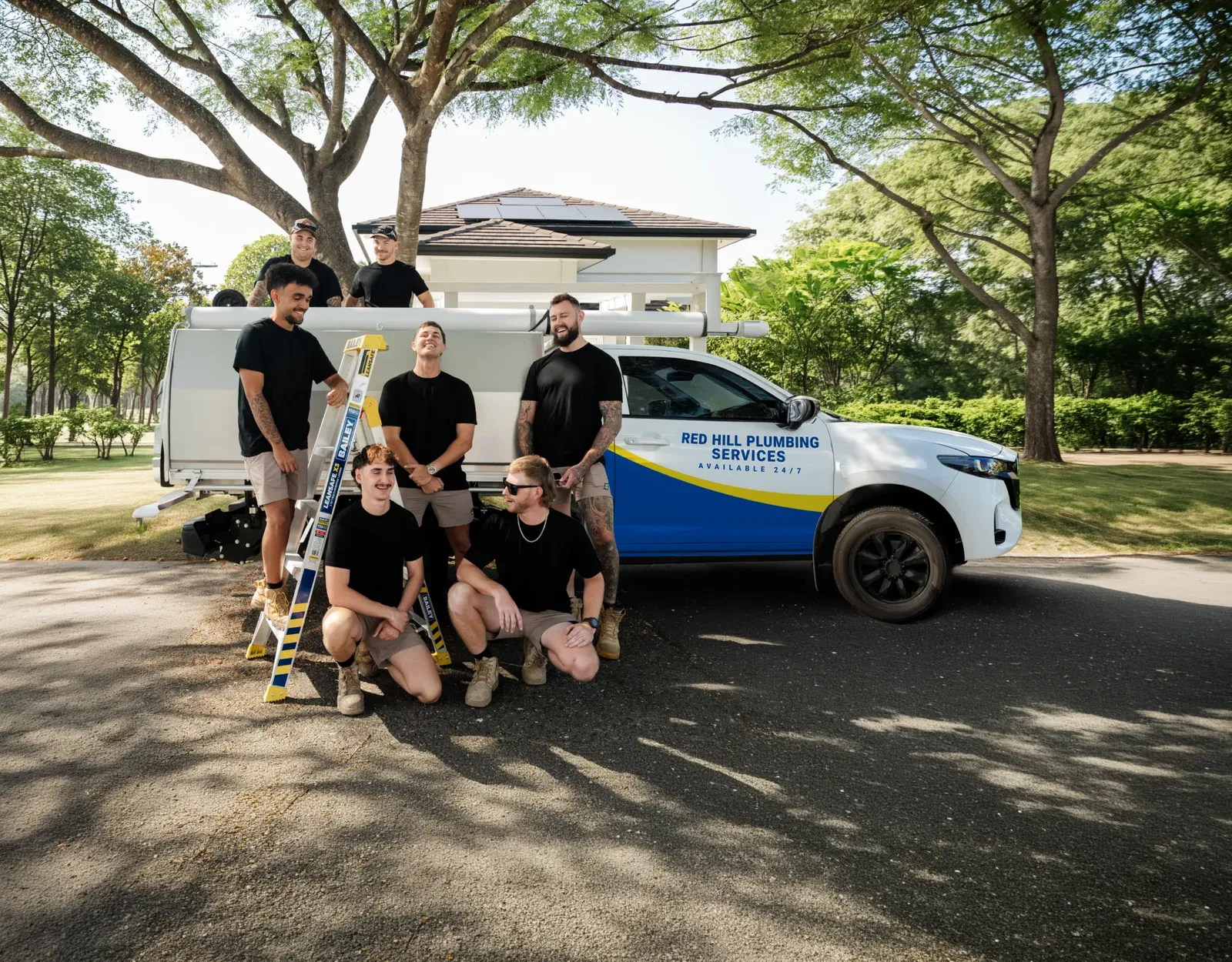
The fault matters more here than in some suburbs. At the last census, 27.2 per cent of Red Hill's 2,285 dwellings were flats or apartments. Ownership across the suburb sits close to balanced, so plenty of locals watch a water account that a leaking cistern quietly inflates.
If you rent, report the fault early. If you own, the sooner it is traced, the less water goes to waste. Our Red Hill home page sets out the full range of plumbing work we do, and toilet repairs deals with base leaks, weak flushes and the repair-or-replace call.
The Three Causes of a Running Toilet
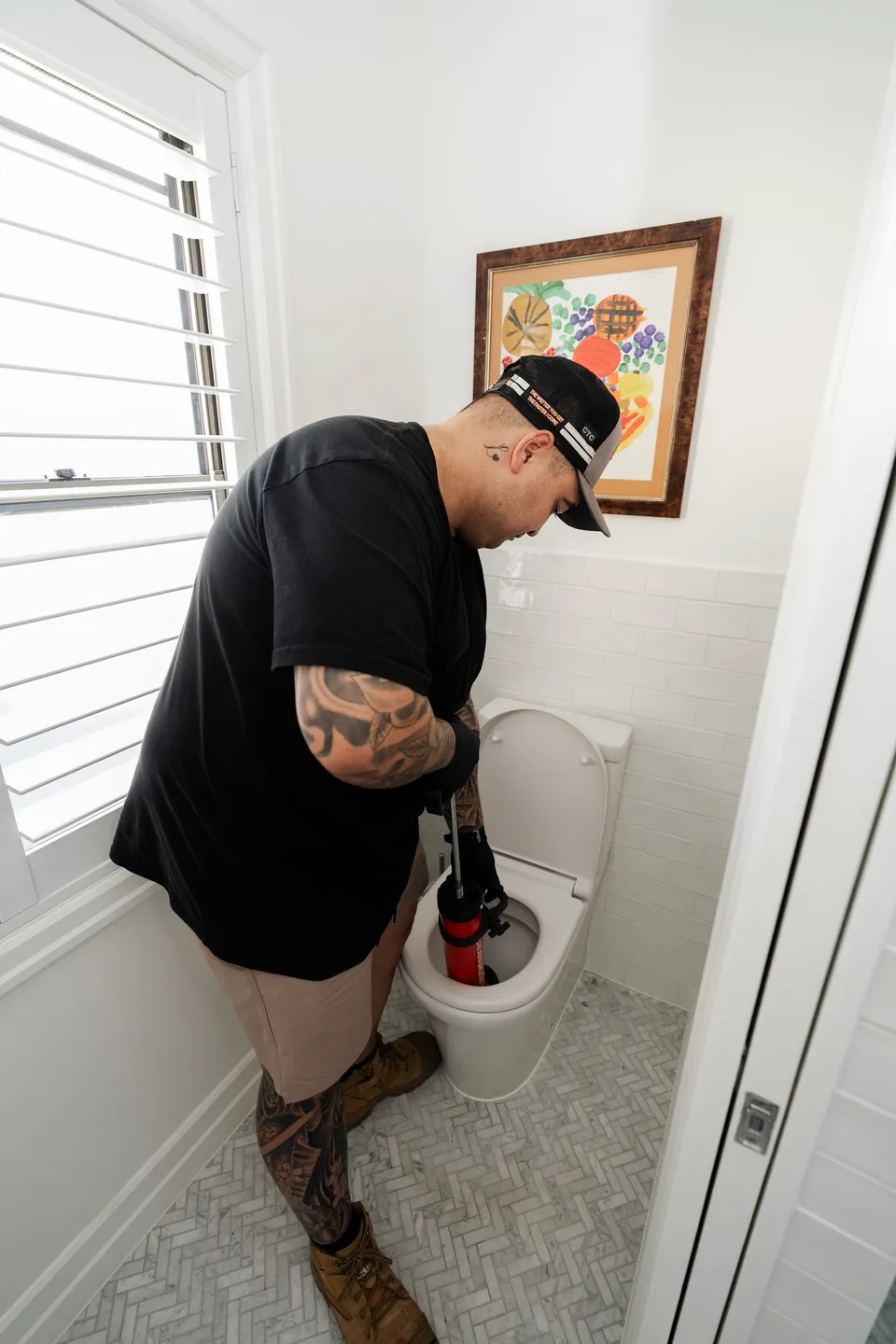
Three faults sit behind almost every running cistern: an inlet valve stuck open, a flush valve seal leaking water into the pan, or a water level riding above the overflow.
The inlet valve
This valve tops the cistern back up after a flush and should close once the float reaches its set level. When wear or grit stops it sealing, you hear a constant hiss or trickle with the cistern already full.
The flush valve seal
This seal keeps the stored water in place between flushes. Once it wears, water slips past into the pan, so the cistern tops itself up every few minutes with nobody touching the button.
The overflow
This safety outlet lets surplus water leave the cistern rather than spill across the floor. If the inlet valve fails to close or the float rides too high, the level climbs until water escapes this way, and a pipe dripping outside is often the first sign.
Each fault has its own sound, which is why a plumber can narrow it down over the phone.
Check for a Silent Leak With Food Colouring
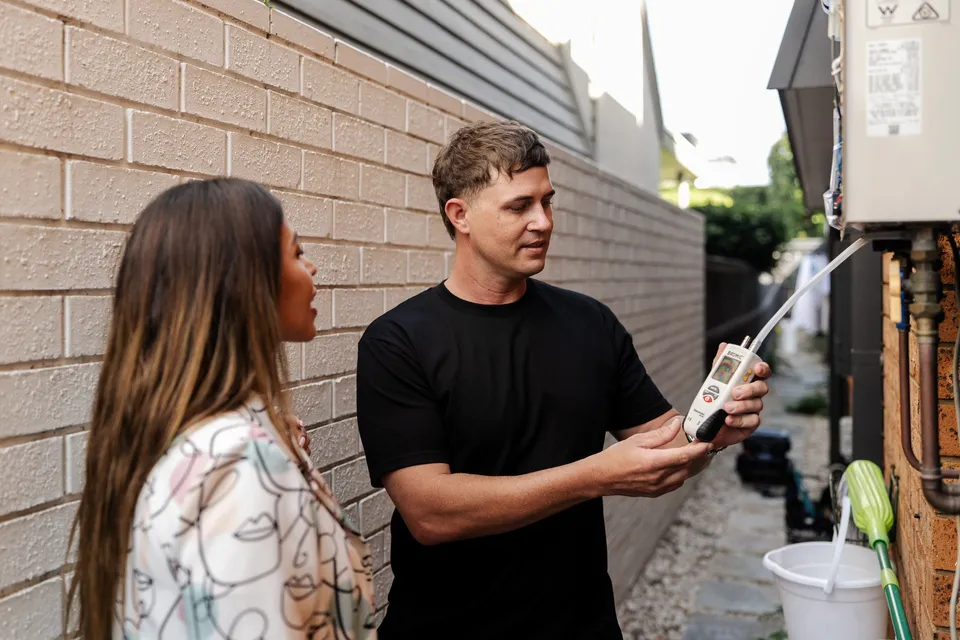
Run the test this way: add a few drops of food colouring to the cistern, leave the toilet unflushed, and check the bowl afterwards. Colour reaching the bowl means stored water is escaping into the pan, which points at the flush valve seal.
Flush afterwards to clear the colour through, because the dye leaves no mark on a ceramic bowl. A bowl that stays clear tells you the flush valve is sound, so look next at the inlet valve and the level.
No food colouring in the kitchen? Press a dry sheet of toilet paper against the rear of the bowl, above the waterline. The paper should stay dry; if it wets through, water is creeping down the back of the pan.

When the Cistern Will Not Fill
A cistern that won't fill usually points to an inlet valve choked by wear or grit, a float riding low, or a stop tap left partly open.
Check the easy one first. The stop tap, the small isolation valve on the pipe feeding the cistern, sometimes gets knocked half closed during other work.
There is a trickier version. Water runs but the level never rises, because the flush valve seal is draining the cistern as fast as the supply fills it. The toilet sounds busy while the meter ticks the whole time.

Where Home Owner Toilet Repairs Stop
Only three cistern parts appear on the QBCC's unregulated list, work that needs no licence, approval or report:
- the drop valve washer
- the float valve washer
- the suction cup rubber
Anyone with the appropriate knowledge and skill may swap those three, and the result still needs to satisfy the standards that apply. Anything beyond them counts as minor work, which a QBCC licensee has to carry out.
Renters sit somewhere simpler. Queensland tenancy law puts the owner or manager in charge of keeping the place maintained, and the tenant reports faults straight away. A running cistern is not an emergency repair, so it falls under routine maintenance.

What a Running Cistern Does to Your Water Bill
No, the concealed leak adjustment from Urban Utilities won't cover water wasted by a leaking cistern. The adjustment exists for hidden pipe failures, and cisterns sit among the excluded appliances alongside dripping taps and hot water systems.
The money side lands on the property owner, who holds the main responsibility for leaks on the property and for the cost of the water lost. That matters in a suburb where so many accounts arrive in a renter's name.
A toilet that keeps running is not a nuisance to put up with. It is a running expense.
When to Call a Plumber
Ring us when the dye test shows colour in the bowl, when the hiss never stops, or when the level climbs past the overflow. Also call if you rent and have reported the fault but the running continues. Our toilet repairs service covers the valves, seals and levels inside the cistern, and every job is done by a licensed plumber.
Questions Locals Ask About Running Toilets
Call (07) 3524 0766Why is my toilet cistern not filling up properly?
Three things usually explain it: an inlet valve blocked by wear, a float set low, or a stop tap that is only partly open. If water runs yet the level stays low, the flush valve seal is probably draining the cistern as quickly as it fills. A licensed plumber handles any of these repairs.
Which toilet cistern parts can a Red Hill home owner replace?
The QBCC's unregulated list covers the drop valve washer, the float valve washer, plus the suction cup rubber. A person with the appropriate knowledge and skill may swap them, and the result still needs to satisfy the standards. Everything else inside a toilet belongs to a licensed plumber.
What is the overflow in a toilet cistern?
The overflow is a safety outlet that carries surplus water out of the cistern instead of across the floor. When an inlet valve stays open or the float sits too high, the rising water reaches this outlet and runs away. A dripping overflow pipe outside points to the same problem.
Who fixes a running toilet in a Red Hill rental?
Queensland tenancy law requires the owner or manager to maintain the premises in good repair, and the tenant must report faults promptly. A running cistern is not on the emergency list, so it counts as routine and is due in a reasonable timeframe. The emergency list names blocked or broken toilets.

Talk to Us About the Running ToiletWe'll call you back.
Call (07) 3524 0766 to book a plumber in Red Hill. We're available 24/7, with $0 call-out fees, flat-rate pricing and same-day where we can.
To claim your $0 call-out fee, call (07) 3524 0766 today.